
Introduction to Homemade Baguette Recipe
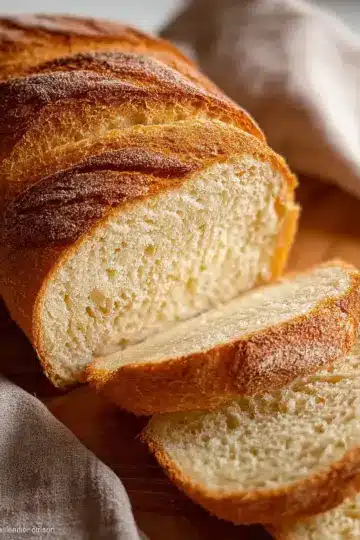
There's something truly magical about the smell of fresh bread wafting through your kitchen, especially when that bread is a homemade baguette. You might wonder if making your own baguettes is worth the time and effort, and the answer is a resounding yes! Here’s why.
Why Homemade Baguettes Are Worth the Effort
- Taste and Freshness: Nothing compares to the flavor of a freshly baked baguette. Each bite is a delightful mix of a crisp crust and a soft, airy inside. Plus, you can adjust the flavor nuances to your liking.
- Budget-Friendly: Buying artisan baguettes can be pricey. With just a few ingredients—all-purpose flour, yeast, water, and salt—you’re able to create multiple baguettes at home, making it a cost-effective choice.
- Personal Touch: Baking your own baguette means you can experiment with additional ingredients like herbs, seeds, or even cheese. You’ll find that a little creativity turns a simple recipe into something extraordinary.
Have you ever thought about the satisfaction of pulling a perfectly baked baguette from your oven? It’s a rewarding experience that impresses your friends and family alike. Once you try this homemade baguette recipe, you might just find yourself making it regularly for your gatherings or cozy nights in! Want to get started? Check out the full recipe here.
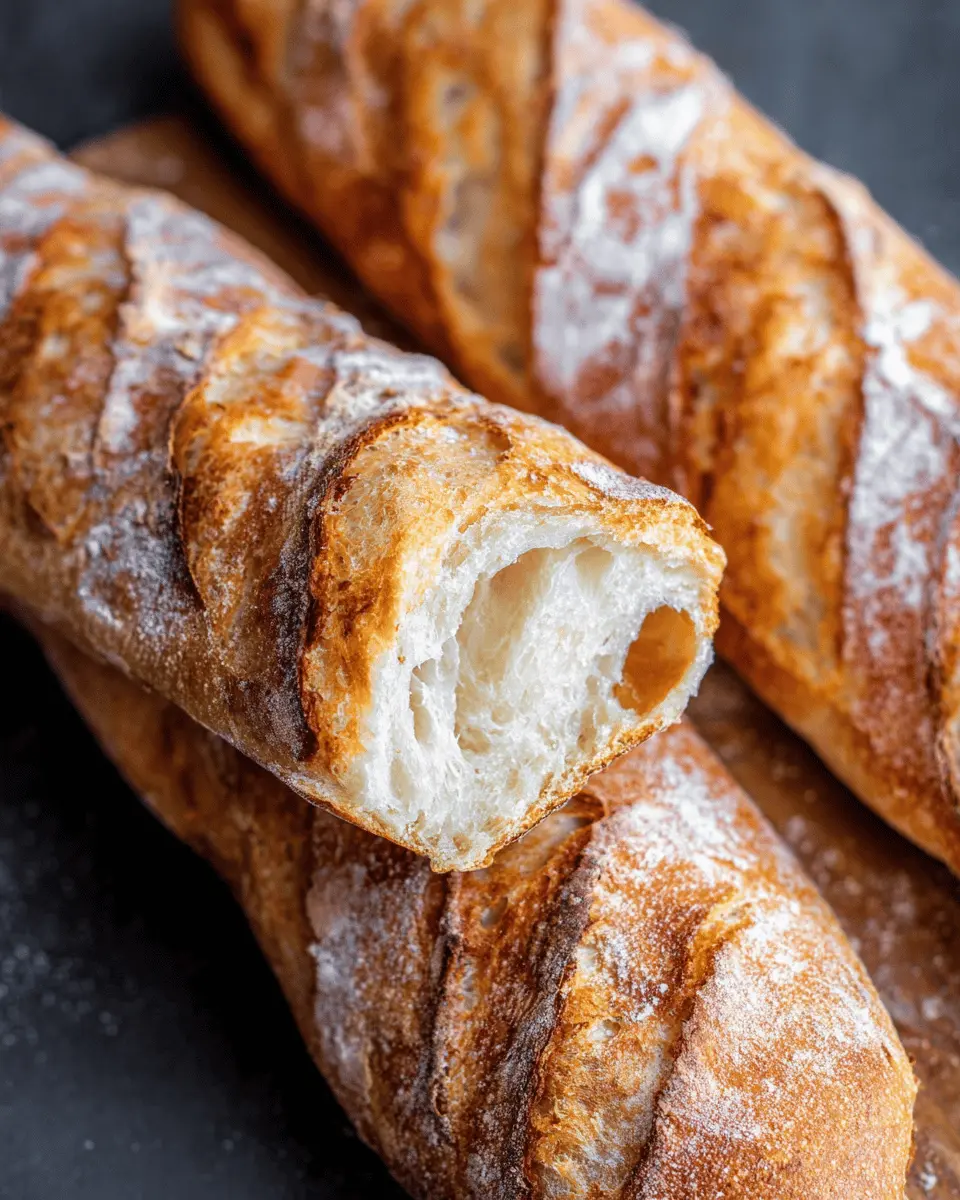
Ingredients for Homemade Baguette
Making a homemade baguette is a rewarding endeavor that fills your kitchen with the irresistible aroma of freshly baked bread. Here’s a breakdown of the essential and optional ingredients that will help you create the perfect loaf.
Essential ingredients for a perfect baguette
For a classic baguette, you'll need:
- All-purpose flour: 6 cups, but don’t hesitate to adjust depending on the brand you use. A higher protein flour can yield better results.
- Lukewarm water: 3 cups, usually around 100°F to activate the yeast effectively.
- Yeast: 2 teaspoons of active dry yeast will do the trick to get that lovely rise.
- Salt: 2 teaspoons, which enhances flavor and strengthens the dough structure.
These ingredients combine to create a simple yet incredibly flavorful foundation for your baguette.
Optional ingredients for flavor and texture
To elevate your homemade baguette recipe, consider incorporating:
- Olive oil: A tablespoon or two can enhance flavor and texture.
- Honey or sugar: For a touch of sweetness that helps with browning.
- Herbs or spices: Like rosemary or garlic powder for a unique twist.
Experimenting with these additions can lead to fabulous variations that suit your palate and impress your friends. Happy baking!
Step-by-Step Preparation of Homemade Baguette
Creating a texture- and flavor-packed homemade baguette recipe can be a delightful experience. Let's dive into the process step by step!
Prepare the dough the night before
Great bread starts with even better dough. The night before you intend to bake, combine all your ingredients in a large bowl. Start with the dry ones: all-purpose flour, yeast, and salt. Separately, measure out the lukewarm water. Mixing them together, you'll want to ensure that the yeast is well-distributed but not activated yet. Once all the ingredients come together, cover the bowl with plastic wrap and let it sit on the countertop for about 12-20 hours. This long fermentation really enhances the flavor and texture of your baguettes.
Mixing the ingredients
The following day, your dough should be bubbly, sticky, and ready to be transformed. Before you begin, generously flour your hands and the surface you'll be working on. When handling the dough, if it sticks, don't hesitate to add more flour. This is a wet dough, and it’s normal! Scoop the dough out of the bowl and begin to work it into a manageable form. The tactile experience is one of the joys of baking—so don't rush!
Shaping the baguettes
Once your dough is ready, it's time to shape it into those iconic baguettes. You’ll want to divide the dough into two or three equal portions, depending on how long you want your baguettes to be. Watch this helpful tutorial on shaping dough to get it just right. Place each shaped baguette on a well-floured baking sheet. Don't forget to score the top with a sharp knife—this not only helps with aesthetic appeal but also allows steam to escape during baking, ensuring that perfect crust!
Proofing the baguettes
Now comes one of the most crucial steps: proofing. Cover the shaped baguettes with a towel and let them rise in a warm place for 1-2 hours. This second rise will help them develop that delightful airy quality. If you're short on time, don't worry—a shorter proof is fine; just keep an eye on how they’re expanding.
Baking the baguettes to perfection
Preheating your oven is essential! Set it to 450°F and prepare for the magic. Place a deep baking pan with 2 cups of boiling water on the lower rack. The steam will create a gorgeous crust. Once the oven is ready, place your baguettes on the middle rack. Remove the water after 10 minutes and continue baking for about 30 minutes or until they turn golden brown.
Once out, let your homemade baguettes cool, and enjoy them with butter or your favorite spread. Homemade bread brings a special kind of warmth to the table—so gather your friends and family, and share your creation!
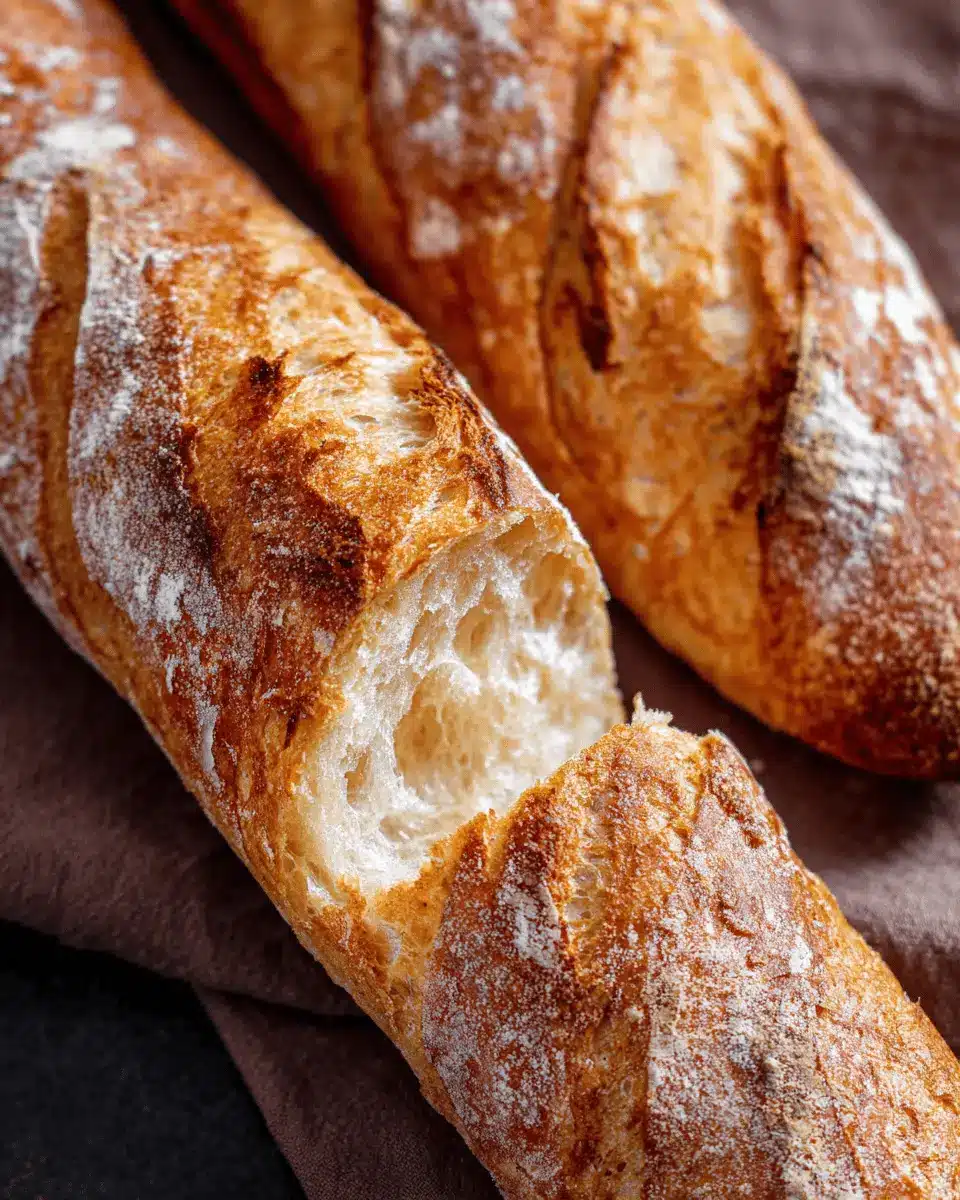
Variations on Homemade Baguette
Exploring different flavors can elevate your homemade baguette recipe and impress friends and family.
Garlic and Herb Baguette
For a fragrant twist, add minced garlic and a mix of your favorite herbs like rosemary or thyme to the dough during mixing. The aroma while baking is simply irresistible! This savory variation pairs wonderfully with soups and salads.
Whole Wheat Baguette
If you're looking for a healthier option, substitute half the all-purpose flour with whole wheat flour. This not only boosts the nutritional profile but also adds a nutty flavor. Enjoy it with a spread of avocado or a slice of turkey bacon for a delightful snack.
Sourdough Baguette
For those craving a tangy taste, a sourdough baguette is a game changer. Incorporate a sourdough starter into your dough for that distinctive flavor. It requires a bit more time for fermentation, but the results are incredibly satisfying. Trust us; your tastebuds will thank you!
If you're keen on perfecting your skills, check out this guide on working with sourdough. Your future self will appreciate the effort!
Cooking Tips and Notes for Homemade Baguette
Tips for Achieving the Perfect Crust
For that perfect crust on your homemade baguette, steam is vital. Place a deep baking pan with boiling water on the lower rack of your oven while preheating. This steam will create a beautiful, crispy exterior. Additionally, remember to score the top of your dough before baking; it allows for controlled expansion and keeps your crust looking professional!
Storage Advice for Your Baguettes
To keep your baguettes fresh, store them wrapped in a clean kitchen towel at room temperature. Avoid plastic, as it traps moisture and makes the crust soggy. For longer storage, freeze your baguettes. Slice them first for easy toasting later. When you crave that freshly baked taste, just pop them in the oven for a few minutes to crisp back up!
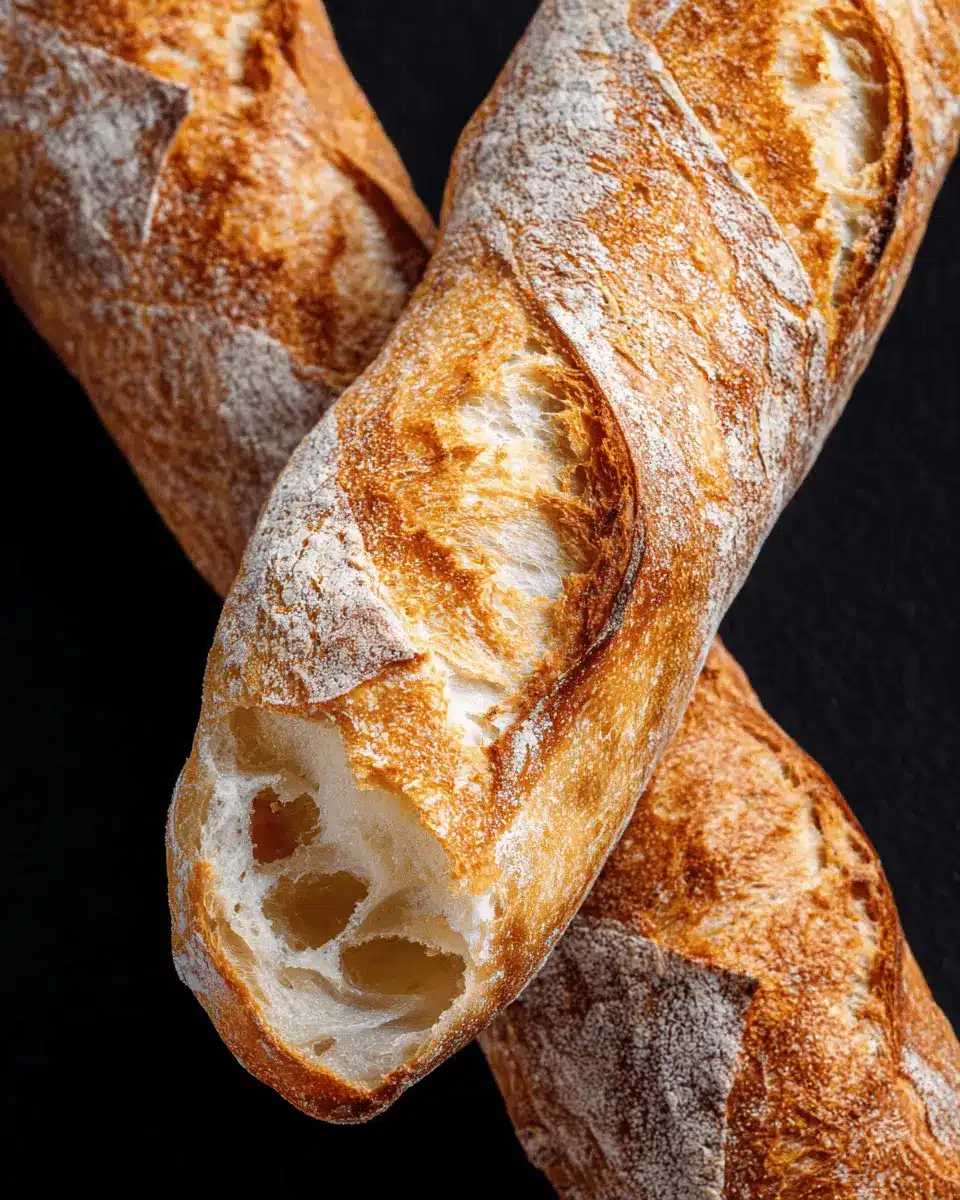
Serving Suggestions for Homemade Baguette
Pairing recommendations for meals
Your homemade baguette recipe deserves the perfect accompaniments to elevate every meal. Here are some delightful options:
- Soups and stews: A warm baguette pairs beautifully with hearty vegetable soup or a rich beef stew. Use it to soak up every drop!
- Cheese platters: Serve slices of your fresh baguette alongside a variety of cheeses, such as Brie, Gouda, or even a tangy goat cheese.
- Sandwiches: Get creative with spreads! Think turkey bacon with avocado or chicken ham with a zesty pesto. The crunchy crust and airy inside make each bite a treat.
Creative uses for leftover baguette
Don’t let your leftover baguette go to waste! Here are some clever ways to use it up:
- Bread crumbs: Blitz stale baguette in a food processor to create homemade breadcrumbs for topping casseroles or coating chicken.
- Croutons: Dice it up, toss with olive oil and your favorite herbs, then bake until crispy for delicious croutons to elevate your salads.
- French toast: Transform your leftover bread into a sweet breakfast treat by soaking slices in an egg and milk mixture, then frying until golden.
Get the flavors rolling and enjoy your baguette in countless ways! For more tips on making the most of your meals, check out this great resource. Happy cooking!
Time Breakdown for Homemade Baguette
Preparation time
Getting started on your homemade baguette recipe is quick and straightforward! The initial preparation takes about 20 minutes. Mix your ingredients and let them rest overnight for optimal flavor.
Rising time
You’ll want to give your dough plenty of time to rise. Allow it to sit covered for 12–20 hours on the counter, ensuring it becomes beautifully bubbly and flavorful.
Baking time
Once your dough is shaped, the baking process will take approximately 40 minutes—10 minutes with steam and another 30 minutes uncovered to achieve that perfect golden crust. Enjoy the delightful aroma wafting through your kitchen!
For tips on perfecting your baking skills, check out reliable resources like King Arthur Baking or Serious Eats. Happy baking!
Nutritional Facts for Homemade Baguette
When indulging in a delicious homemade baguette, it's essential to consider its nutritional profile. Here are some key facts:
Calories per serving
A typical serving size of a homemade baguette provides about 150 calories, making it a delightful treat in moderation.
Carbohydrates
Each serving is rich in carbohydrates, containing around 30 grams. This makes it a great source of energy, perfect for a busy day!
Protein content
You’ll find approximately 5 grams of protein in a serving. While it's not a complete protein source, it pairs beautifully with toppings like turkey bacon or chicken ham for a nutritious meal!
For more in-depth insights, check out the USDA's FoodData Central for detailed nutritional information.
FAQs about Homemade Baguette
Can I make bread without a stand mixer?
Absolutely! Making a homemade baguette is perfectly doable by hand. Just blend the ingredients in a large bowl and knead the dough on a floured surface for about 10-15 minutes until it becomes smooth and elastic. It might take a bit longer than using a stand mixer, but the hands-on experience can be quite rewarding!
How can I store my homemade baguette?
To keep your baguette fresh, store it in a paper bag at room temperature. This helps maintain its crusty exterior. If you need to keep it longer, slice it and wrap it in plastic wrap or aluminum foil before placing it in the freezer. Just remember to thaw it at room temperature when you’re ready to enjoy it again.
What should I do if my baguette doesn't rise?
If your homemade baguette recipe doesn't rise, it may be due to inactive yeast. Always ensure your yeast is fresh by testing it with warm water and a pinch of sugar before use. If the dough is too stiff or didn't rise in a warm spot, try placing it in a slightly warmer area or extending the rising time. Keep experimenting; sometimes it just takes a little patience!
Conclusion on Homemade Baguette
The joy of crafting your own homemade baguette is truly unparalleled, as you bring the aroma of fresh bread to your kitchen. I encourage you to try this recipe—you’ll be amazed at the taste and satisfaction it brings! Share your successes and let this experience inspire your baking adventures!
For more baking tips and techniques, check out the King Arthur Baking Company for detailed guides that will enhance your skills!
Baguette
Equipment
- Baking sheet
- plastic wrap
- Sharp knife
- deep baking pan
Ingredients
Flour and Yeast
- 6 cups all-purpose flour depending on a brand, you may need to add more flour
- 2 teaspoon yeast
- 2 teaspoon salt
- 3 cups lukewarm water
Instructions
Preparation
- The night before, combine all ingredients together. First mix the dry ingredients together and then add water. Mix the ingredients until the dough comes together. Cover it with plastic wrap and let it sit for 12-20 hours on the countertop.
- The following day, the dough should be wet, sticky and bubbly. Generously flour your hands and the baking sheet.
- Take the dough (if it sticks, apply more flour to your hands) and form a baguette shape. You will easily get at least 2-3 baguettes. Place it on a baking sheet and sprinkle a generous amount of flour on it. Score the top with a sharp knife and cover it with a towel. Let the dough rise in a warm place for 1-2 hours.
- Preheat the oven to 450 °F. Place a deep baking pan filled with 2 cups of hot boiled water on the lower rack of your oven. Place the bread on the middle rack. Remove the water from the oven after 10 minutes. Keep on baking the bread for another 30 minutes or until golden crispy brown.



Leave a Reply