
Introduction to Vegetable Soup
When the chill of winter sets in or you crave a light, wholesome meal, there’s nothing quite like a bowl of homemade vegetable soup. It’s nourishing, satisfying, and can easily be tailored to fit your taste preferences or seasonal produce. But why embrace making your own vegetable soup at home?
Why Embrace Homemade Vegetable Soup?
Making your own vegetable soup allows you to control the ingredients, ensuring every spoonful is full of flavor and nutrition. Homemade soups are often lower in sodium and preservatives compared to store-bought options. Plus, it’s a fantastic way to utilize leftover vegetables or incorporate fresh seasonal produce.
Think of all the possibilities! This recipe uses a combination of vibrant vegetables like carrots, celery, and potatoes, simmered together in a flavorful broth. As you chop and sauté your ingredients, the delightful aroma fills your kitchen—a satisfying reminder of the simple joys of home cooking.
What’s more? Homemade vegetable soup is incredibly versatile. You can customize it to your heart’s desire, adding herbs and spices to match your palate. By embracing this wholesome dish, you’re not only investing in your health but also fostering a connection to the food you create. So grab your pot and let’s embark on this delicious journey together!
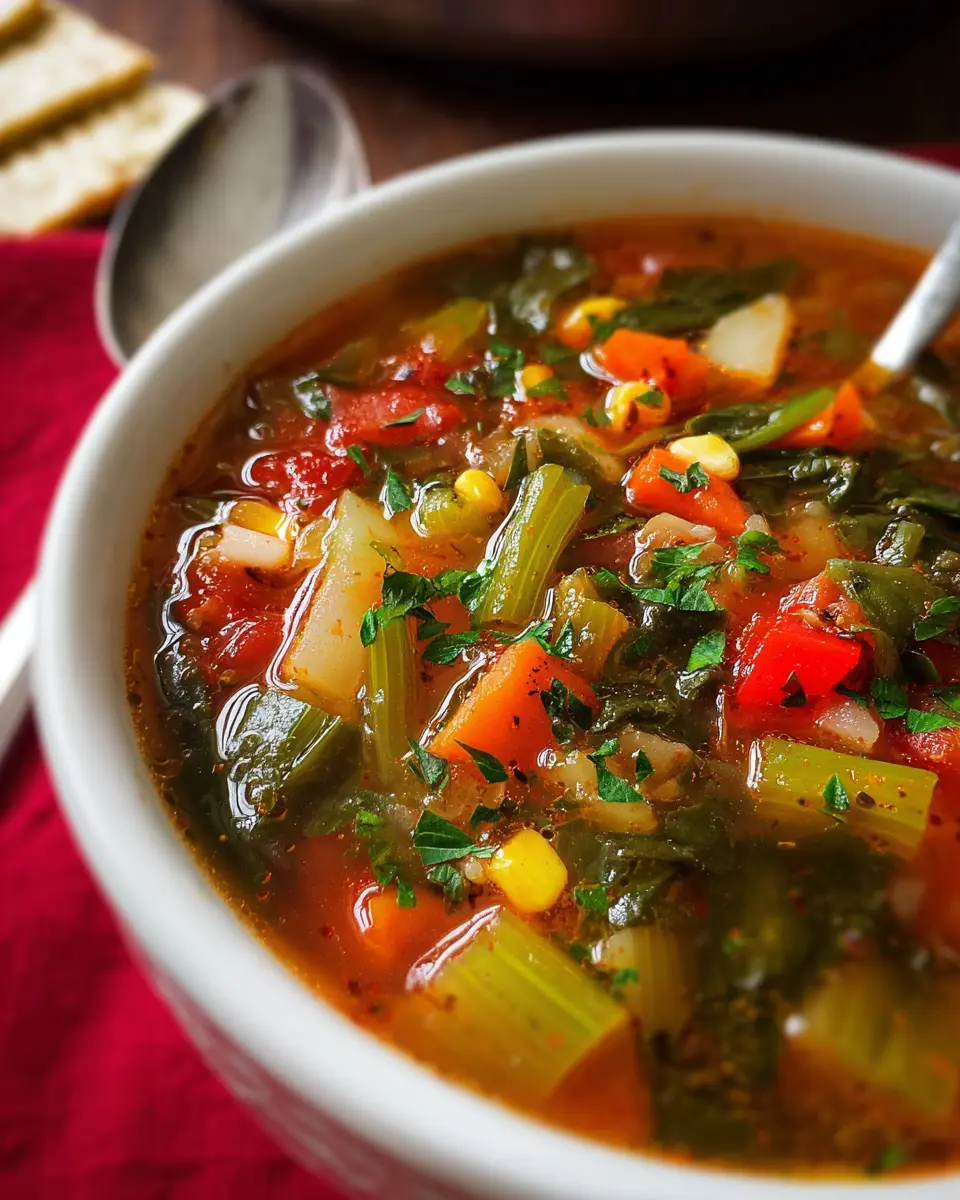
Ingredients for Vegetable Soup
Essential ingredients for a hearty vegetable soup
When crafting a delicious vegetable soup, the right blend of ingredients is essential. Start with a base of aromatic vegetables like yellow onion, carrots, and celery—they create a warm, inviting flavor. Don't forget the garlic; it adds that irresistible punch. A good broth—either low-sodium chicken or vegetable—serves as the soul of your soup, while diced tomatoes contribute delightful acidity. For texture, toss in potatoes and a medley of green beans, corn, and peas.
- Olive oil
- Chopped yellow onion
- Peeled and chopped carrots
- Chopped celery
- Minced garlic
- Low-sodium chicken or vegetable broth
- Diced tomatoes
- Diced potatoes
- Chopped fresh parsley
- Bay leaves
- Dried thyme
- Salt and pepper
Optional add-ins for extra flavor
To make your vegetable soup pop, consider adding optional ingredients that enhance flavor and nutrition. Fresh or dried herbs, such as basil or rosemary, can elevate your dish dramatically. You might also incorporate a parmesan rind during cooking for a touch of umami. If you love spice, a sprinkle of red pepper flakes could bring the heat!
- Fresh herbs: basil, oregano, rosemary
- Parmesan rind
- Red pepper flakes for heat
- Corn on the cob (if using fresh corn)
With these ingredients, your vegetable soup will be both comforting and packed with flavor! For more details on how each ingredient contributes, check out this guide on soup basics.
Step-by-step preparation of Vegetable Soup
Gather and prepare your ingredients
To create a delicious vegetable soup, start by gathering all your ingredients. Fresh produce is key, so visit your local grocery store or farmers' market for vibrant vegetables. You’ll need:
- Olive oil
- Chopped yellow onion
- Peeled and chopped carrots
- Chopped celery
- Minced garlic
- Low-sodium chicken or vegetable broth
- Canned diced tomatoes
- Diced potatoes
- Chopped fresh parsley
- Bay leaves
- Dried thyme
- Salt and freshly ground black pepper
- Chopped green beans, corn, and peas
Once you have everything, take a moment to clean and chop your veggies. Having them all prepped and ready to go will streamline the cooking process and make the experience more enjoyable!
Sauté the aromatics
In a large pot, drizzle in about 2 tablespoons of olive oil and set it over medium-high heat. Once the oil is shimmering, add in the chopped onions, carrots, and celery. This aromatic combination is essential for building flavor. Sauté those veggies for about 4 minutes until they soften, then toss in the minced garlic. Sauté for an additional 30 seconds, just enough for the garlic to become fragrant but not overly browned. This step is all about enhancing the base flavor of your vegetable soup.
Add the broth and simmer
Next, it's time to add depth to your soup! Pour in your broth of choice—low-sodium chicken or vegetable broth works great. Then, stir in the canned diced tomatoes (don’t forget to include all those delicious juices) along with the diced potatoes, chopped parsley, bay leaves, and dried thyme. Season with salt and pepper to taste. Bring everything to a boil, allowing those flavors to meld beautifully.
Stir in the vegetables
Once boiling, carefully add in your chopped green beans. Reduce the heat to medium-low, cover the pot, and let it simmer. This simmering process is crucial for allowing the vegetables to soften and the flavors to intensify. Cook for about 20 to 30 minutes, or until the potatoes are nearly tender.
Finish cooking and adjust seasoning
In the last five minutes of cooking, add in the corn and peas. This allows these vegetables to warm through without losing their vibrant color and texture. After everything is cooked, give your vegetable soup a taste. You might want to adjust the seasoning a bit more with salt and pepper.
Serve warm, and don’t hesitate to garnish with extra parsley or a splash of olive oil for an added touch. Enjoy your wholesome and hearty vegetable soup, perfect for any day of the week!
For tips on enhancing flavors or using homemade broth, check out this guide.

Variations on Vegetable Soup
Spicy Vegetable Soup for the Adventurous Palate
If you crave a little heat, consider turning your classic vegetable soup into a spicy delight! Just add chopped jalapeños or serrano peppers while sautéing your vegetables. A dash of cayenne or red pepper flakes enhances the flavor further. For an unforgettable twist, mix in some cumin or smoked paprika for a smoky depth that dances on the palate. This spicy vegetable soup is sure to impress anyone looking for a flavorful kick.
Creamy Vegetable Soup for a Comforting Twist
For those cozy nights in, a creamy vegetable soup is exactly what you need. After simmering your soup, blend it until smooth and stir in a splash of coconut milk or heavy cream. This not only adds richness but makes every spoonful feel indulgent. You can also toss in some nutritional yeast for a cheesy flavor without the dairy. Serve it warm with crusty bread for a heartwarming meal that feels like a hug in a bowl.
Feel free to explore these variations and enjoy the countless ways to bring new life to your vegetable soup!
Cooking Tips and Notes for Vegetable Soup
Enhancing Flavor with Herbs and Spices
To elevate your vegetable soup, don’t shy away from experimenting with herbs! Fresh herbs like basil, oregano, and thyme can significantly boost the flavor profile. For extra depth, try simmering a parmesan rind in the pot for a delicious umami kick. If you want a little heat, a pinch of red pepper flakes will work wonders!
Substitutions and Additions for Creativity
Feel free to get creative with your ingredients. Almost any vegetable can work in this soup—think zucchini, bell peppers, or even sweet potatoes. If you have leftover roasted veggies, toss them in! You can also swap out the potatoes for brown rice or quinoa for a heartier meal. Keep it interesting and tailored to your tastes!

Serving suggestions for Vegetable Soup
Perfect pairings with bread and toppings
To enhance your vegetable soup experience, serve it with a warm, crusty bread like sourdough or a comforting garlic bread. For toppings, consider a dollop of Greek yogurt for creaminess, a sprinkle of croutons for crunch, or some freshly grated parmesan. A dash of hot sauce can also elevate the flavors for those who enjoy a spicy kick.
Creative presentations for entertaining
For an impressive presentation, serve your vegetable soup in hollowed-out bread bowls. Garnish with fresh herbs like basil or parsley for a pop of color. Placing a side of artisan bread and a simple green salad on the table will make your meal feel complete and inviting. Don’t forget to add a splash of lemon juice on top for brightness; it makes all the difference!
Time Breakdown for Vegetable Soup
Preparation Time
Getting everything prepped for your delightful vegetable soup will take about 15 minutes. This includes chopping your veggies and gathering all your ingredients.
Cooking Time
Once you're ready to cook, the simmering process takes around 30 to 35 minutes. This is where the magic happens!
Total Time
In total, you're looking at about 50 minutes from start to finish. A perfect amount of time to whip up a warm, hearty dish that you'll love!
Now, let’s dive into that delicious vegetable soup recipe together! Trust me, it’s worth the wait.
Nutritional Facts for Vegetable Soup
Calories
A bowl of vegetable soup typically contains around 80-100 calories, making it a great low-calorie option for those wanting to enjoy something warm and satisfying without compromising on their health goals.
Fiber Content
Packed with an array of vegetables, this vegetable soup boasts about 4-6 grams of fiber per serving. That's beneficial for digestion and can help keep you feeling full longer!
Vitamins and Minerals
This delightful dish is rich in essential vitamins and minerals. It's loaded with Vitamin A from carrots, Vitamin C from tomatoes, and a decent amount of potassium thanks to potatoes and beans. These nutrients contribute to heart health and overall well-being. For more insights, check out the Nutritional Guidelines from the USDA.
FAQs about Vegetable Soup
Can I freeze vegetable soup?
Absolutely! One of the best things about vegetable soup is its freezer-friendly nature. Just let it cool completely, then transfer it to airtight containers or freezer bags. For best flavor, consume within 3 months, although it can last up to six. Make sure to leave some space at the top of the container, as the soup will expand when frozen.
What vegetables are best for soup?
When it comes to vegetable soup, you have a range of options! Classics include carrots, celery, and potatoes, but don't hesitate to get creative. Try adding bell peppers, zucchini, or even leafy greens like spinach or kale. The beauty of this soup is that you can use whatever vegetables you have on hand. Seasonal veggies will also enhance the flavor!
How can I make vegetable soup low-sodium?
To keep your vegetable soup low in sodium, choose low-sodium broth or even make your own at home for complete control over salt levels. You can also flavor your soup with herbs and spices like garlic, thyme, and bay leaves, which can enhance the taste without the extra sodium. Try a splash of lemon juice or vinegar to brighten it up!
Conclusion on Vegetable Soup
Why homemade vegetable soup is a must-try!
Homemade vegetable soup is a delightful way to embrace nutrition and comfort in one bowl. It’s not just healthy; it's versatile and budget-friendly. By using fresh ingredients, you control the flavors and can even tailor it to your preferences. Give it a try, and enjoy the warmth it brings!

Vegetable Soup
Equipment
- large pot
Ingredients
Base
- 2 tablespoon olive oil
- 1.5 cups chopped yellow onion (1 medium)
- 2 cups peeled and chopped carrots (about 5)
- 1.25 cups chopped celery (about 3)
- 4 cloves garlic minced
- 4 14.5 oz cans low-sodium chicken broth or vegetable broth
- 2 14.5 oz cans diced tomatoes (undrained)
- 3 cups peeled and ½-inch thick diced potatoes (from about 3 medium)
- ⅓ cup chopped fresh parsley
- 2 bay leaves
- 0.5 teaspoon dried thyme or 1 tablespoon fresh thyme leaves
- Salt and freshly ground black pepper to taste
Vegetables
- 1.5 cups chopped frozen or fresh green beans
- 1.25 cups frozen or fresh corn
- 1 cup frozen or fresh peas
Instructions
Cooking Instructions
- Heat olive oil in a large pot over medium-high heat.
- Add onions, carrots, and celery and sauté for 4 minutes, then add garlic and sauté for 30 seconds longer.
- Add in broth, tomatoes, potatoes, parsley, bay leaves, thyme, and season with salt and pepper to taste.
- Bring to a boil, then add green beans.
- Reduce heat to medium-low, cover, and simmer until potatoes are almost fully tender, about 20 - 30 minutes.
- Add corn and peas and cook for 5 minutes longer. Serve warm.




Leave a Reply