
Introduction to Best Vegetable Lasagna
When it comes to meal prepping and weeknight dinners, vegetable lasagna stands out as a top choice for young professionals. Not only is it delicious, but it’s also packed with nutrients, making it a well-rounded option for anyone bustling through their busy schedules. With layers of colorful veggies like carrots, zucchini, and spinach, this dish delivers a burst of flavor and texture that makes every bite satisfying.
One of the best parts about vegetable lasagna is its versatility. You can easily customize it based on your preferences or seasonal produce, which is great for those who love to experiment in the kitchen. Plus, it's a fantastic way to sneak extra veggies into your diet! It’s also freezer-friendly, meaning you can make a batch over the weekend and enjoy it throughout the week. Talk about a lifesaver!
Incorporating vegetables into your meals is crucial for maintaining energy and overall health. For more tips on the benefits of eating more greens, check out resources from the American Heart Association and MyPlate. So why not savor a slice of the best vegetable lasagna for your next meal and nourish your body while indulging your taste buds?

Ingredients for Best Vegetable Lasagna
Overview of Fresh Veggies and Essential Ingredients
For a truly delicious vegetable lasagna, fresh, vibrant veggies are essential! Start with staples like carrots, bell peppers, and zucchini—they not only add flavor but also a satisfying texture. Don’t forget a good dose of baby spinach for some earthiness. For your sauce, diced tomatoes, fresh basil, garlic, and a drizzle of olive oil create the perfect base. Finally, the combination of cottage cheese and mozzarella gives that creamy, cheesy goodness that ties everything together beautifully.
Substitutes for Dietary Restrictions
If you’re looking to cater to specific dietary needs, fear not! For a gluten-free lasagna, simply swap in gluten-free lasagna noodles. Vegan? Substitute the cottage cheese and mozzarella with almond or cashew cheese alternatives, or blend soaked cashews for a creamy filling. If dairy is not an option, opting for a plant-based cheese can still provide that delightful cheesy experience. Check out resources like Healthline for more dietary substitutes tailored to your needs!
Step-by-step Preparation of Best Vegetable Lasagna
Creating the best vegetable lasagna is not just about cooking; it’s an experience that invites you into the kitchen. Follow these simple steps for a dish that everyone will love!
Preheat your oven and prepare the baking dish
First things first, preheat your oven to 425 degrees Fahrenheit. Grab a 9” by 9” baking dish and set it aside. A bit of oil or non-stick spray can be applied to the bottom for easy cleanup later — because who likes scrubbing burnt bits off their pans?
Sauté the vegetables to perfection
In a large skillet over medium heat, warm 2 tablespoons of extra-virgin olive oil until it's shimmering. It’s time to add your chopped carrots, red bell pepper, zucchini, and yellow onion, along with ¼ teaspoon of salt. Sauté for about 8 to 12 minutes until the vegetables turn golden. Then, toss in 5 to 6 ounces of baby spinach, stirring until it wilts. The vibrant colors and smells will make you feel like a gourmet chef!
Create a delicious homemade tomato sauce
While those veggies are cooling, let’s make a fantastic homemade sauce! Start by draining a large can of diced tomatoes in a sieve to get rid of excess juiciness. Then, pop the tomatoes into your food processor, along with ¼ cup of fresh basil, 2 tablespoons of olive oil, 2 minced cloves of garlic, ½ teaspoon of salt, and ¼ teaspoon of red pepper flakes. Pulse until it reaches a nice spreadable consistency. This sauce is rich in flavors, perfect for our lasagna base.
Blend the cottage cheese and combine with the veggies
Next, take 2 cups of low-fat cottage cheese and blend one cup until smooth in the food processor. Transfer that creamy goodness into a mixing bowl. Now, add your sautéed veggie and spinach mixture to the processor and pulse it 5 to 7 times — note: we want it chopped, not puréed! Combine this mixture with your cottage cheese and season with salt and pepper to taste.
Assemble the lasagna layers
Now comes the fun part! Spread ½ cup of the homemade tomato sauce evenly at the bottom of your prepared baking dish. Layer 3 no-boil lasagna noodles on top and add half of your cottage cheese-veggie mix. Top with ¾ cup of tomato sauce and ½ cup of freshly grated mozzarella cheese. Repeat this for a second layer, then finish with a final layer of noodles topped with the remaining sauce and cheese.
Bake the lasagna and let it set
Cover your dish with parchment paper or foil, ensuring it doesn't touch the cheese, and place it in the oven for 18 minutes. After that, remove the cover and rotate the dish. Bake for another 10 to 15 minutes until it's beautifully golden. Don’t forget to allow it to cool for 15 to 20 minutes before serving — this helps the layers set beautifully. Garnish with extra basil for that professional touch!
Get ready to enjoy the best vegetable lasagna you've ever made! Serve it alongside a fresh salad or some crusty bread for a complete meal.
For tips on selecting the best ingredients, consider this guide. Bon appétit!
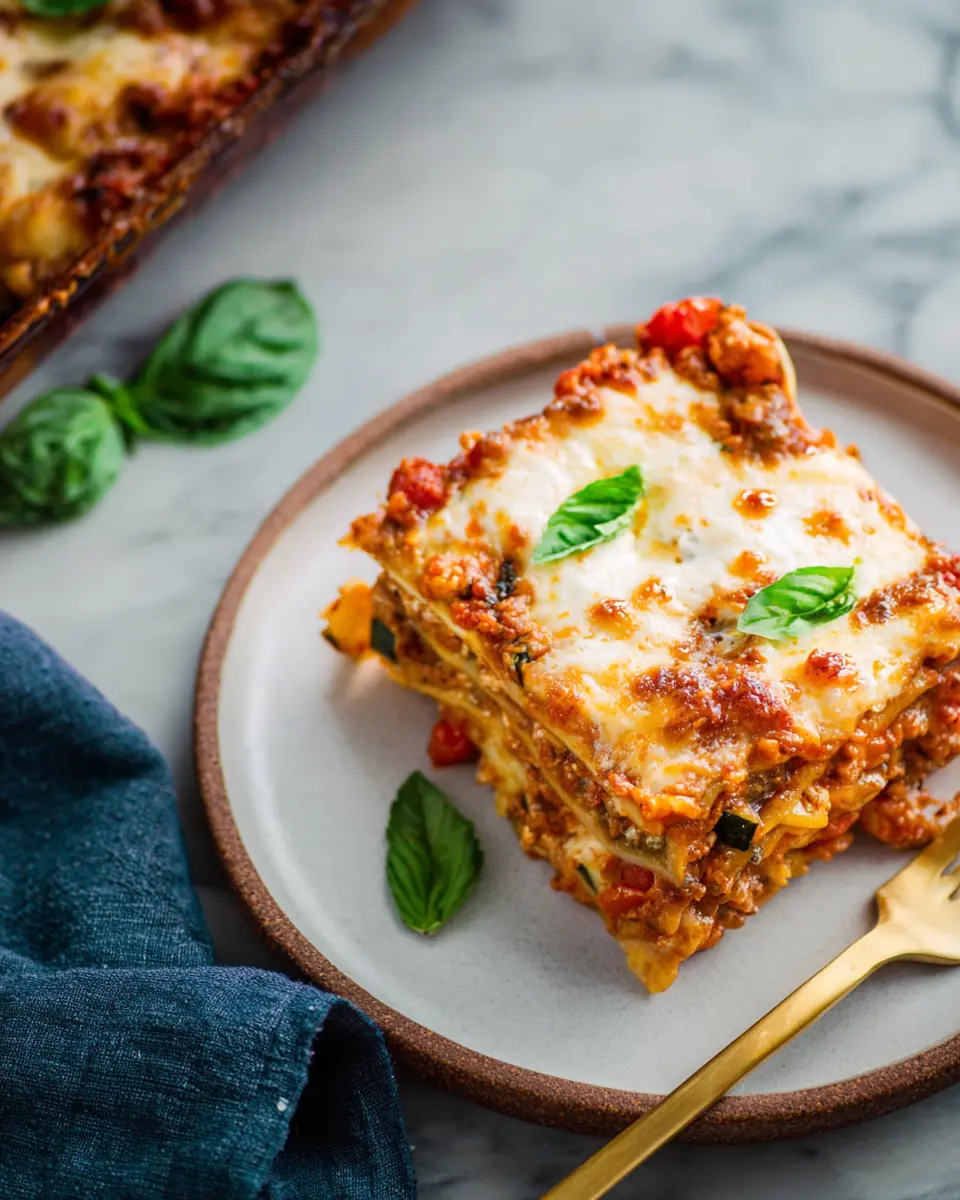
Variations on Best Vegetable Lasagna
When it comes to the best vegetable lasagna, the possibilities are endless. Not only can you customize the vegetables, but you can also add protein-packed alternatives and explore dairy-free options.
Add-ins for Protein: Chickpeas and Lentils
For those looking to boost the protein content, consider adding chickpeas or lentils. These legumes blend beautifully with vegetables, offering a hearty texture that elevates your lasagna. Chickpeas lend a nutty flavor, while lentils are rich in nutrients and serve as a fantastic meat substitute.
Vegan Alternatives Without Dairy
If you’re aiming for a vegan vegetable lasagna, swap the cottage cheese and mozzarella with cashew cream or a store-bought dairy-free cheese. Nutritional yeast brings a cheesy flavor without the milk, making your dish both creamy and delicious. For more tips on vegan substitutions, check out this helpful guide on plant-based cooking for inspiration!
Feel free to experiment and make this dish your own while still enjoying the comforting essence of a classic lasagna!
Cooking Tips and Notes for Best Vegetable Lasagna
How to Avoid a Watery Lasagna
To keep your best vegetable lasagna from becoming too watery, make sure you drain the canned tomatoes well before using them. Additionally, sauté your veggies until they're golden to help reduce excess moisture. Consider using low-moisture mozzarella cheese, which helps ensure a firmer texture.
Tips for Layering to Maximize Flavor
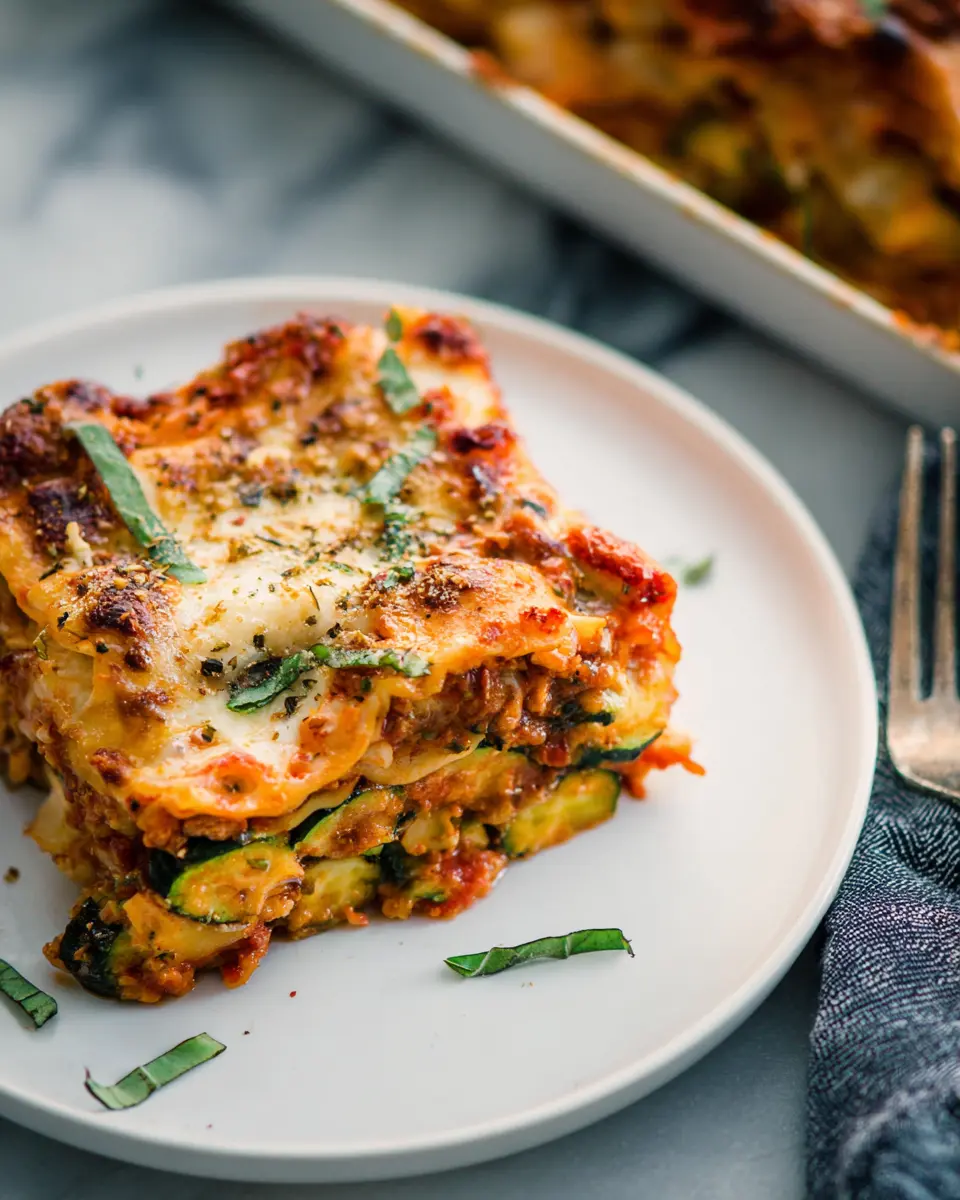
Layering isn't just about aesthetics; it's about flavor infusion! Start with tomato sauce at the bottom and mix layers of veggies with the cottage cheese mixture for a rich taste. Alternate between sauces and cheeses, finishing with cheese on top to create that gorgeous, melt-in-your-mouth finish. Don’t rush this—quality layering leads to delightful bites in every slice.
For more insights, check out what makes a great lasagna or read up on layering techniques.
Serving Suggestions for Best Vegetable Lasagna
Perfect Pairings with Salads or Bread
When enjoying your best vegetable lasagna, consider serving it with a light, refreshing salad. A simple mixed greens salad with a lemon vinaigrette can provide balance to the rich flavors of the lasagna. If you’re in the mood for something heartier, a garlicky baguette or warm Italian bread can also complement the meal beautifully.
Creative Alternatives for Sides
Looking for something beyond salads and bread? Roasted vegetables or a side of steamed broccoli can be delightful additions! You can also prepare a zesty coleslaw for a crunch. If you're craving some crunch, why not whip up some garlic knots or cheesy breadsticks? They’re always a crowd-pleaser and can be made quickly!
These sides will elevate your dining experience and leave everyone asking for seconds. Enjoy!
Time Breakdown for Best Vegetable Lasagna
Preparation time
Get ready to dive into deliciousness—prep takes about 30 minutes. Chop those vibrant veggies, blend the creamy cottage cheese, and whip up the homemade tomato sauce!
Cooking time
The magic happens in the oven for roughly 30 to 35 minutes. Your kitchen will fill with the enchanting aroma of baked layers!
Total time
In just about 1 hour and 5 minutes, you'll have the best vegetable lasagna ready to serve! Pair it with a refreshing salad or some crusty bread for a delightful meal. Can't wait to reward your taste buds? Dive into this detailed recipe for all the goodness! For more tips and veggie inspiration, check out EatingWell or Taste of Home.
Nutritional Facts for Best Vegetable Lasagna
Calories per serving
Our best vegetable lasagna offers a delicious and satisfying meal at approximately 300 calories per serving. If you’re looking for a wholesome dish that’s both filling and nutritious, this is it!
Key nutrients
Packed with essential nutrients, each serving contains significant amounts of vitamins A and C from the fresh veggies, along with calcium from the cottage and mozzarella cheese. It’s a fantastic way to fuel your day!
Fiber content
With a generous helping of veggies, this lasagna provides about 5 grams of fiber per serving. This fiber is crucial for digestive health and helps keep you feeling full longer, making the best vegetable lasagna an excellent choice for those mindful of their intake.
For more information on the health benefits of fiber, you can check out Harvard Health.
FAQs about Best Vegetable Lasagna
Can I make vegetable lasagna ahead of time?
Absolutely! Making vegetable lasagna ahead of time is a fantastic way to save time during meal prep. You can assemble the lasagna, cover it tightly with plastic wrap or foil, and refrigerate it for up to 24 hours before baking. If you want to store it for longer, consider freezing it. Just make sure to let it thaw overnight in the refrigerator before baking.
How long can I store leftover vegetable lasagna?
Leftover vegetable lasagna can be stored in the refrigerator for about 3 to 5 days. To keep it fresh, place the leftover portions in an airtight container. You can also freeze it for up to 3 months; just reheat in the oven for a delicious meal later on!
What can I use as a gluten-free alternative?
For a gluten-free alternative to traditional lasagna noodles, look for gluten-free lasagna sheets made from rice or corn. Alternatively, sliced vegetables like zucchini or eggplant can be a creative and healthy option. They add great flavor and texture while keeping your dish gluten-free!
If you're interested in more tips on cooking or ingredient substitutions, check out this resource.
Conclusion on Best Vegetable Lasagna
A recap on the joys of homemade vegetable lasagna
The best vegetable lasagna combines vibrant veggies, creamy layers, and rich flavors, creating a delightful dish perfect for weeknight dinners or special occasions. With your own hands crafting this delicious recipe, you can customize it to suit your tastes while bringing warmth and satisfaction to your table. Enjoy!

Best Vegetable Lasagna
Equipment
- large skillet
- food processor
- 9 by 9 baking dish
- mesh sieve
- fine colander
Ingredients
Veggies and spinach
- 2 tablespoons extra-virgin olive oil
- 3 large carrots, chopped about 1 cup
- 1 large red bell pepper, chopped
- 1 medium zucchini, chopped
- 1 medium yellow onion, chopped
- ¼ teaspoon salt
- 5 to 6 ounces baby spinach
Tomato sauce
- 28 ounces diced tomatoes 1 large can
- ¼ cup fresh basil, roughly chopped plus additional for garnish
- 2 tablespoons extra-virgin olive oil
- 2 cloves garlic pressed or minced
- ½ teaspoon salt
- ¼ teaspoon red pepper flakes
Remaining ingredients
- 2 cups low-fat cottage cheese divided
- ¼ teaspoon salt to taste
- to taste freshly ground black pepper
- 8 ounces freshly grated low-moisture, part-skim mozzarella cheese
Instructions
Preparation
- Preheat the oven to 425 degrees Fahrenheit.
- In a large skillet over medium heat, warm the olive oil. Once shimmering, add the carrots, bell pepper, zucchini, yellow onion, and salt. Cook until the veggies are golden on the edges, about 8 to 12 minutes.
- Add a few large handfuls of spinach and cook until wilted. Repeat with remaining spinach, about 3 minutes. Remove from heat.
- Pour the tomatoes into a mesh sieve or fine colander and drain off excess juice. Transfer drained tomatoes to a food processor. Add basil, olive oil, garlic, salt, and red pepper flakes, and pulse 10 times until spreadable.
- Pour the mixture into a bowl. Rinse the food processor and return it to the machine.
- Blend half of the cottage cheese until smooth. Transfer to a large mixing bowl.
- Pulse the cooked veggies and spinach until finely chopped, then combine with the whipped cottage cheese. Season with salt and black pepper.
- Spread ½ cup tomato sauce over the bottom of a 9” by 9” baking dish. Layer 3 lasagna noodles on top, followed by half of the cottage cheese mixture, ¾ cup tomato sauce, and ½ cup shredded cheese.
- Add 3 more noodles, the remaining cottage cheese mixture, and sprinkle ½ cup shredded cheese on top.
- Top with 3 more noodles, spread ¾ cup tomato sauce over the top, and sprinkle evenly with 1 cup shredded cheese.
- Cover with parchment paper or foil and bake, covered, for 18 minutes. Remove the cover, rotate the pan, and continue cooking for about 10 to 15 more minutes, until the top is spotty brown.
- Remove from oven and let cool for 15 to 20 minutes. Sprinkle with additional basil, slice, and serve.



Leave a Reply