
Introduction to Traditional Cajun Jambalaya Recipe
Why Cajun Jambalaya is a Beloved Dish
Cajun jambalaya is more than just a meal; it’s a celebration of flavor and culture. Hailing from the heart of Louisiana, this dish embodies the spirit of Cajun cooking, combining a medley of ingredients that deliver a delightful explosion of taste. The rich history behind jambalaya, influenced by French, Spanish, and African culinary traditions, makes it a unique staple in many households.
What sets traditional Cajun jambalaya apart is its robust seasoning and the way it brings together both meat and rice to create a satisfying one-pot meal. The combination of chicken, sausage, and the classic holy trinity of vegetables—onion, bell pepper, and celery—provides a foundation that is as comforting as it is delicious.
Whether it's served at a family gathering or at a festive celebration, jambalaya is known for its ability to feed a crowd and bring people together. If you’re ready to embark on a flavorful journey, this traditional Cajun jambalaya recipe will surely impress your friends and family. Ready to unravel the secrets behind this fantastic dish? Let’s dive into the ingredients and steps that will transform your kitchen into a taste of Louisiana!
For a deeper dive into the roots of Cajun cuisine, check out the Southern Foodways Alliance.
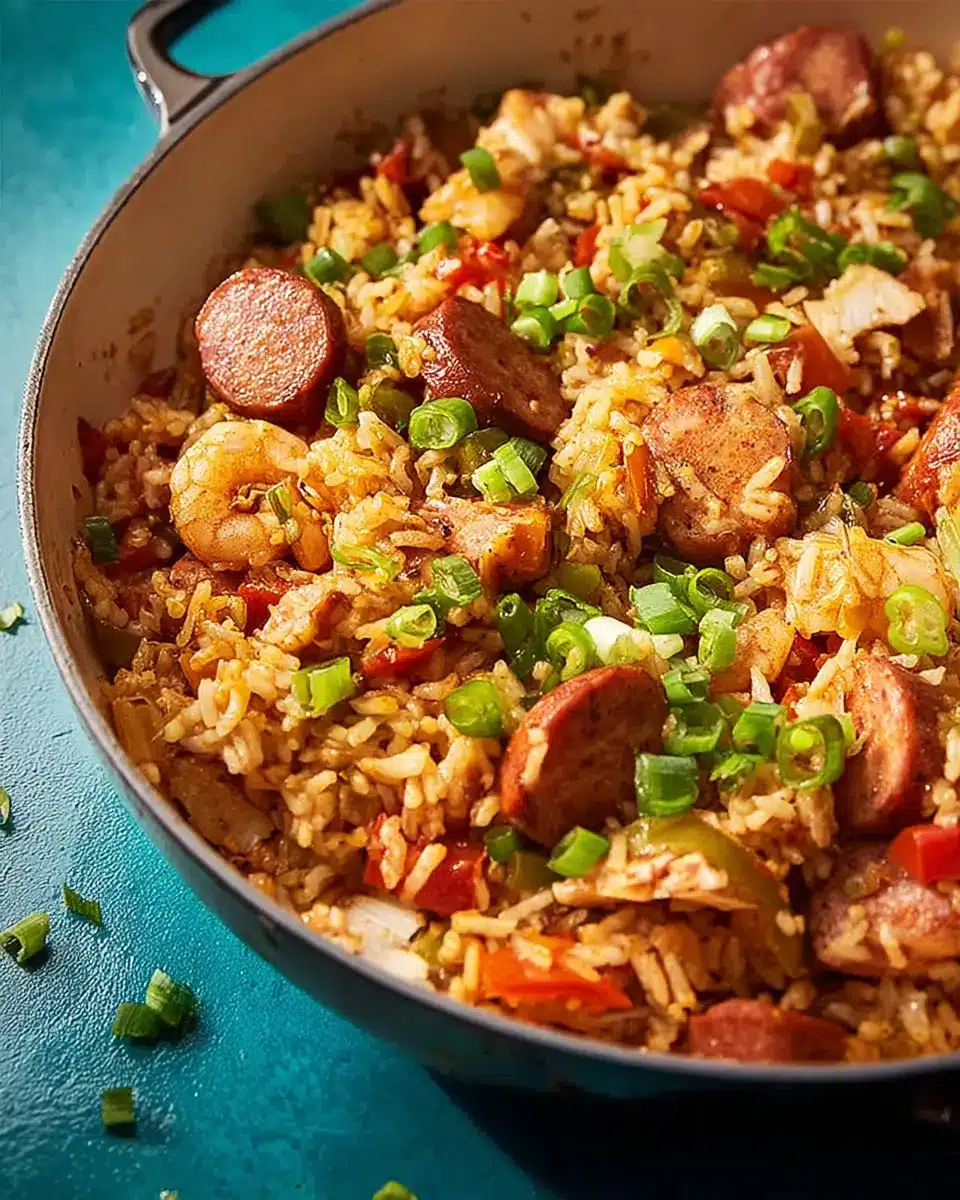
Ingredients for Traditional Cajun Jambalaya
Essential Components of the Dish
Creating a delicious traditional Cajun jambalaya recipe starts with the right ingredients. Here’s what you’ll need:
- Protein: 1 pound of boneless, skinless chicken thighs and 12 ounces of andouille or smoked sausage for that rich, smoky flavor.
- Vegetables: The holy trinity of Cajun cooking—1 cup each of diced yellow onion, green bell pepper, and half a cup of diced celery.
- Seasoning: Four teaspoons of Cajun seasoning, garlic, bay leaves, thyme, and black pepper add depth to the dish.
- Grains: Use 2 cups of rinsed long-grain white rice to ensure a fluffy texture.
- Liquid: Three cups of low-sodium chicken broth keeps it hearty yet balanced.
Optional Ingredients for Customization
Feel free to make this dish your own! Here are some optional additions:
- Meats: You can swap in turkey bacon or chicken ham for a twist.
- Seafood: Add shrimp or crawfish for a seafood jambalaya variant.
- Veggies: Throw in some okra or diced tomatoes for extra flavor and texture.
These ingredients create a dish that’s not just a meal—it's a celebration of Cajun culture! Interested in more recipes? Check out The Spruce Eats for related traditional dishes that will complement your jambalaya beautifully.
Preparing Traditional Cajun Jambalaya
If you're ready to dive into the heart of Cajun cuisine, preparing a traditional Cajun jambalaya is not just cooking; it’s an experience. Let’s move through the steps together, making sure your jambalaya lives up to its rich and flavorful heritage!
Gather Your Ingredients
Before we start, let’s make sure you have all the essential ingredients on hand. Here’s what you’ll need:
- 1 pound boneless, skinless chicken thighs, cut into 1-inch pieces
- 4 teaspoons Cajun seasoning
- 2 teaspoons neutral oil (canola is great)
- 12 ounces andouille or smoked sausage, sliced into ¼-inch coins
- 1 cup diced yellow onion
- 1 cup diced green bell pepper
- ½ cup diced celery
- 4 large cloves garlic, minced
- 2 cups long-grain white rice, rinsed and drained
- 2 teaspoons Worcestershire sauce
- 2 dried bay leaves
- 1 teaspoon dried thyme
- ½ teaspoon freshly ground black pepper
- 3 cups low-sodium chicken broth
- 4 medium scallions, sliced
- Tabasco sauce for serving
Make sure to gather these items first, and maybe even grab a few friends to join you in the kitchen. Cooking is always more fun when shared!
Season and Brown the Chicken
With your ingredients all laid out, it’s time to add flavor. In a medium bowl, mix your chicken thighs with 2 teaspoons of Cajun seasoning. (If you're using a salt-free seasoning, sprinkle in a little salt as well.) Toss until everything is evenly coated. This step is crucial for building that deep flavor profile that jambalaya is known for.
Cook the Sausage
In a large Dutch oven or heavy-duty pot, heat 2 teaspoons of neutral oil over medium-high heat. Once it's shimmering, add your seasoned chicken. Brown it on all sides for about 8 to 10 minutes, then transfer it to a plate. Next, add the sliced sausage to the pot. Cook until browned and the fat has rendered, around 5 minutes. This flavorful fat is essential for the next steps!
Sauté the Vegetables
With the sausage cooked, it’s time to build more flavors. Toss in your diced onion, bell pepper, and celery—these are the “holy trinity” of Cajun cooking. Sauté for about 5 to 6 minutes until they turn tender and translucent. The aroma will start to make your mouth water!
Combine All Ingredients and Bring to a Boil
Now, add minced garlic, rinsed rice, Worcestershire sauce, and those bay leaves, thyme, and pepper. Pour in the chicken broth, and remember to add the remaining Cajun seasoning. Stir it all together and bring the mixture to a boil. This is where the magic starts to really happen!
Simmer Until Rice is Cooked
Once boiling, reduce the heat to low, cover the pot, and let it simmer for about 30 minutes. Your kitchen will soon be filled with a fantastic aroma! If the rice is still a bit wet when time’s up, leave the pot uncovered for another 5 to 10 minutes to allow moisture to evaporate.
Fluff and Garnish Before Serving
When the rice is perfectly cooked, take a fork and fluff it up gently. Serve your jambalaya hot, garnished with sliced scallions and a side of Tabasco sauce for those who like a kick. Enjoy a bite of your homemade traditional Cajun jambalaya, and relish in the warmth and comfort it brings!
So, what do you think? Are you excited to give this traditional Cajun jambalaya recipe a try? Happy cooking! For more tips on Cajun ingredients, check out articles from Southern Living and Bon Appétit.
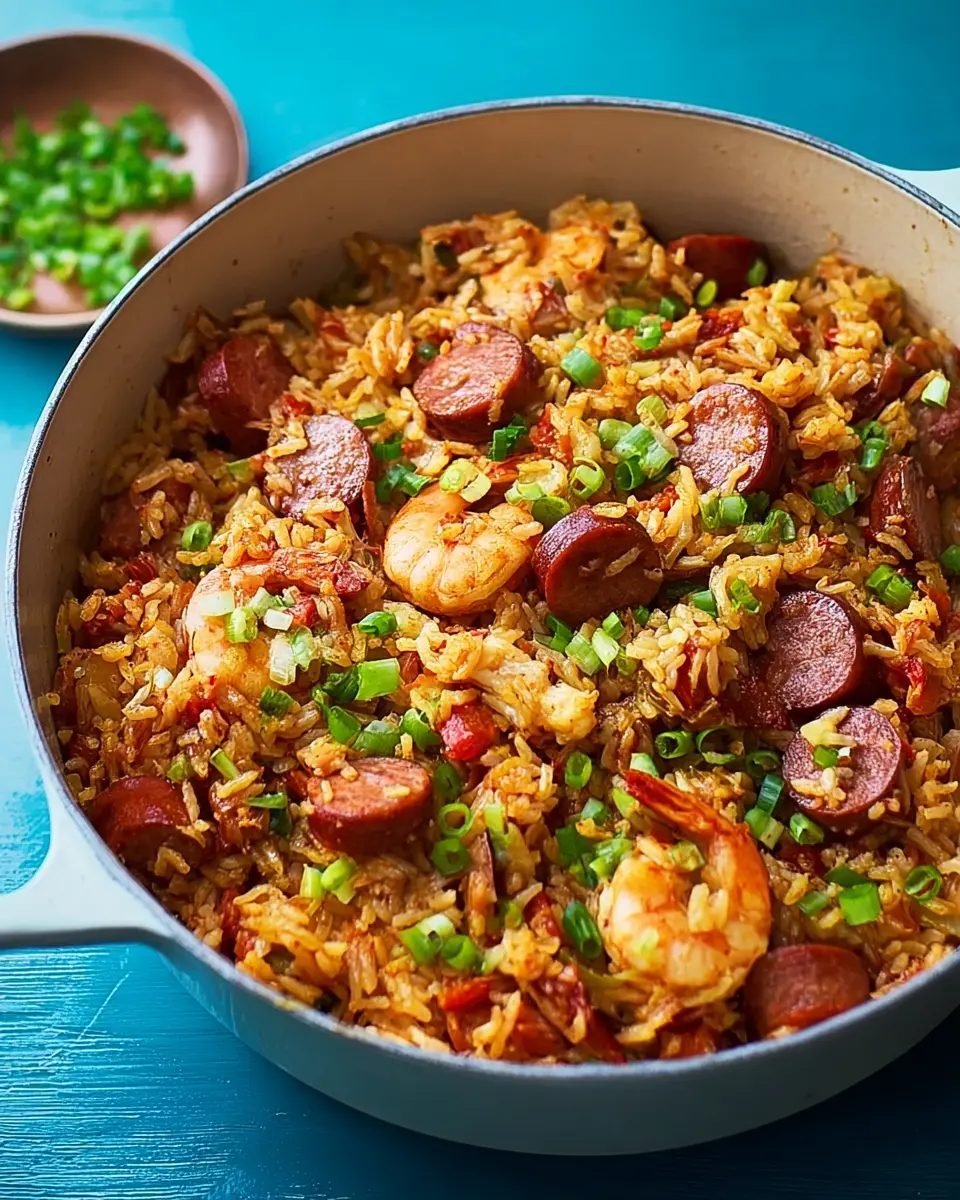
Variations on Traditional Cajun Jambalaya
Vegetarian Jambalaya
If you're looking for a meat-free twist on the classic traditional Cajun jambalaya recipe, try a vegetarian version that’s just as satisfying! Replace the meat with your favorite seasonal vegetables like zucchini, bell peppers, and carrots. Add extra protein with cooked lentils or chickpeas, and consider using vegetable broth in place of chicken broth. The Cajun spices will still pack a flavorful punch, ensuring you don’t miss the meat.
Seafood Jambalaya
Craving something a little more adventurous? A seafood jambalaya can elevate your meal! Substitute chicken and sausage for your choice of shrimp, crab, or even crawfish. Just add these seafood ingredients towards the end of cooking, allowing them to steam in the rich, flavorful broth. This traditional Cajun jambalaya recipe variation creates a delightful ocean-inspired experience that highlights the best of Cajun cuisine. For a little extra zing, a splash of lemon juice before serving can brighten up the dish!
Cooking Tips and Notes for Traditional Cajun Jambalaya
Selecting the Right Rice
When it comes to your traditional Cajun jambalaya recipe, using the right type of rice is crucial. Long-grain white rice is your best option, as it cooks evenly and absorbs flavors beautifully. Avoid using short-grain rice, as it can turn mushy. Rinsing the rice until the water runs clear helps remove excess starch, which is vital for achieving that perfect texture. If you have any questions about rice types, consider checking out this guide on rice varieties.
Importance of Seasoning
Seasoning can make or break your jambalaya! Start with a solid Cajun seasoning blend—ideally, one that suits your taste. Remember, seasoning should be layered throughout the cooking process to build depth. Don’t be shy about adjusting flavors as you go; this dish is all about personal touch. If you’re unsure how much seasoning to use, visit this article on seasoning basics for helpful tips. Happy cooking!
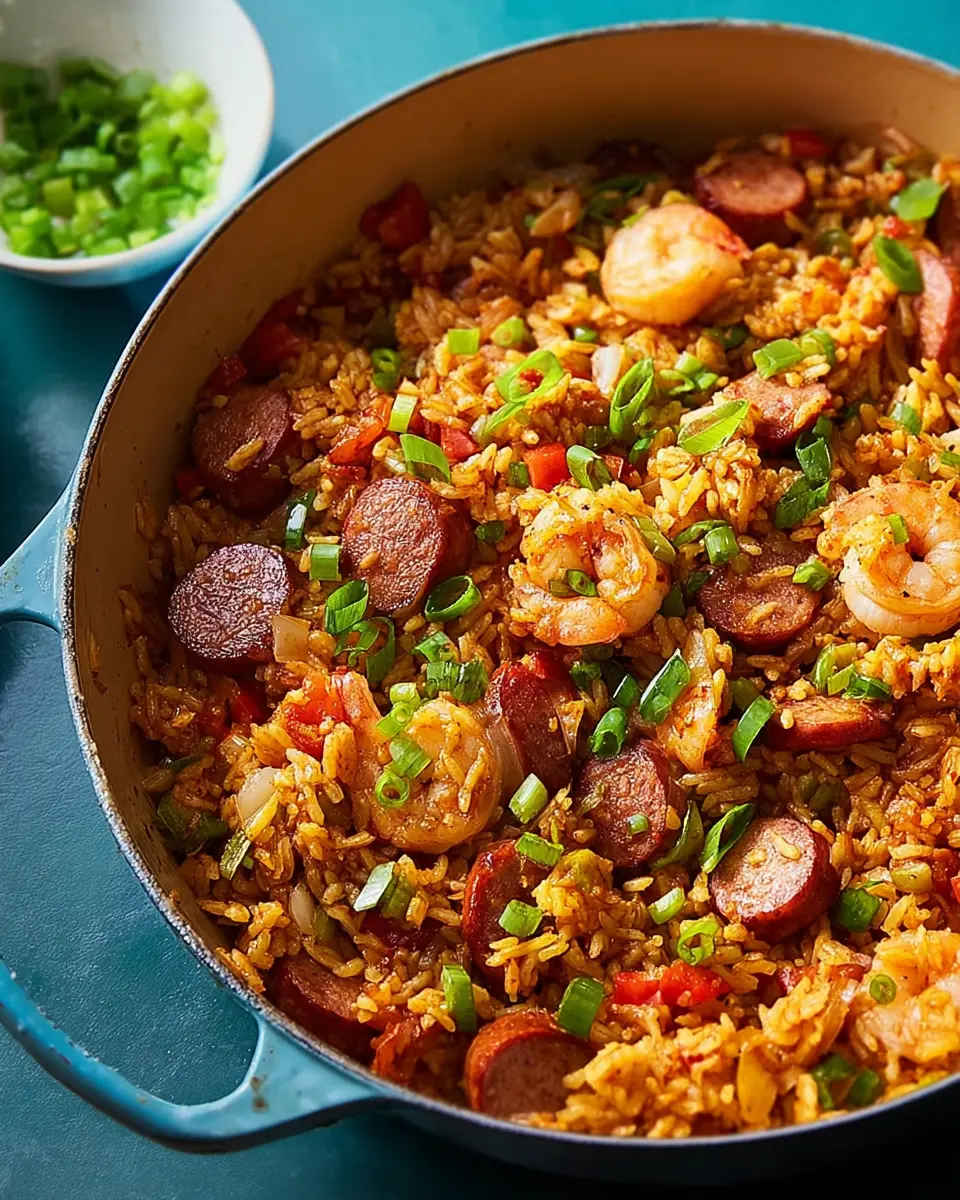
Serving suggestions for Traditional Cajun Jambalaya
What to pair with your jambalaya
Pairing your traditional Cajun jambalaya can elevate your meal experience! Consider serving it with:
- Crusty French bread or garlic bread to soak up those delicious juices.
- A simple green salad dressed with a light vinaigrette for a refreshing contrast.
- Coleslaw for some crunchy texture—a great way to balance the rich flavors.
- A cool and tangy cucumber salad to lighten the meal.
These accompaniments not only complement your jambalaya but also add variety to your plate!
Creative serving ideas
Get a bit creative when serving your traditional Cajun jambalaya. Try:
- Using individual bowls for a rustic feel, perfect for a cozy dinner with friends.
- Serving it on a large platter, garnished with fresh herbs, to make your table visually inviting.
- Offering a side of Tabasco sauce for those who love an extra kick!
Feeling adventurous? Create a jambalaya bar where guests can customize their servings with additional toppings like scallions, chopped parsley, or even pickled jalapeños. The opportunities to make your jambalaya meal delightful are endless!
Time Breakdown for Traditional Cajun Jambalaya
Preparation Time
Getting everything ready for your traditional Cajun jambalaya recipe will take about 15-20 minutes. Use this time to chop your veggies and season your meats so you can dive into the cooking process without a hitch.
Cooking Time
Once you start cooking, you’ll spend approximately 45 minutes in the kitchen. This includes browning the meat, sautéing the vegetables, and cooking the rice to perfection.
Total Time
In total, you’re looking at around 1 hour to whip up this hearty dish. Perfect for a weeknight meal or a weekend gathering with friends! For more tips on preparation, check out The Spruce Eats.
Nutritional Facts for Traditional Cajun Jambalaya
When diving into this traditional Cajun jambalaya recipe, it’s essential to be aware of its nutritional content to maintain a balanced diet while enjoying this flavorful dish. Here’s a quick overview:
Calories
A serving of Cajun jambalaya typically contains around 450-500 calories, making it a satisfying and hearty meal option.
Protein
Packed with protein, each serving provides about 30 grams, thanks to the chicken and sausage—perfect for muscle repair and energy!
Sodium
With low-sodium chicken broth and controlled seasoning, you can expect approximately 800-900 mg of sodium per serving, which can be adjusted for those watching their intake.
This jambalaya not only tantalizes your taste buds but also offers a well-rounded nutritional profile, making it an excellent choice for busy professionals seeking a delicious meal! For more insights, consider checking out Healthline's guide on nutrition for additional healthy eating tips.
FAQs about Traditional Cajun Jambalaya
Can I prepare jambalaya in advance?
Absolutely! Preparing traditional Cajun jambalaya in advance is a fantastic way to enjoy a hearty meal any day of the week. You can cook it a day ahead and store it in the fridge. Just reheat on the stove over low heat, adding a splash of chicken broth to prevent it from drying out.
What can I substitute for andouille sausage?
If andouille sausage isn’t available, you can replace it with smoked sausage or chorizo for a different twist. Alternatively, turkey or chicken sausage works for a leaner option, maintaining that smoky flavor essential to the dish.
How do I store leftovers?
Storing leftovers is easy! Transfer any unused jambalaya to an airtight container and refrigerate it for up to four days. For longer storage, you can freeze it in portions, allowing you to enjoy your delicious Cajun jambalaya whenever a craving strikes!
For more inspiration and tips, check out resources from Food Network or America’s Test Kitchen.
Conclusion on Traditional Cajun Jambalaya
In conclusion, this traditional Cajun jambalaya recipe captures the essence of Southern cooking. It's vibrant, flavorful, and perfect for gatherings. The combination of spices, proteins, and vegetables creates a one-pot meal that’s sure to impress. So, gather your friends, serve it hot, and enjoy the rich flavors of Cajun cuisine!
For more insights on Cajun cuisine, check out Nola Cuisine and explore traditional dishes like gumbo and etouffee.
Traditional Cajun Jambalaya Recipe
Equipment
- Dutch oven
Ingredients
Meat
- 1 pound boneless, skinless chicken thighs, cut into 1-inch pieces
- 12 ounces andouille or smoked sausage, cut into ¼-inch thick coins
Vegetables
- 1 cup diced yellow onion
- 1 cup diced green bell pepper
- ½ cup diced celery
- 4 large cloves garlic, minced
- 4 medium scallions, thinly sliced
Grains
- 2 cups long-grain white rice, rinsed until water runs clear and drained
Liquids and Seasoning
- 4 teaspoons Cajun seasoning with salt, divided or 3 teaspoons salt-free Cajun seasoning mixed with 1 teaspoon fine salt
- 2 teaspoons neutral oil, such as canola
- 2 teaspoons Worcestershire sauce
- 2 dried bay leaves
- 1 teaspoon dried thyme
- ½ teaspoon freshly ground black pepper
- 3 cups low-sodium chicken broth
- Tabasco sauce, for serving
Instructions
- Gather the ingredients.
- In a medium bowl, combine the chicken thighs with 2 teaspoons of Cajun seasoning (if using a salt-free option, add ½ teaspoon of salt as well) and toss them to coat.
- Heat the oil in a large Dutch oven or another heavy-duty pot over medium-high heat. Add the chicken and brown it on all sides for 8 to 10 minutes. Transfer the chicken to a plate and set it aside.
- Add the sausage to the pot and cook until browned and the fat has rendered, about 5 minutes. Transfer the sausage to the same plate as the chicken.
- Add the onion, bell pepper, and celery to the pot. Sauté over medium heat until the vegetables are tender and translucent, about 5 to 6 minutes.
- Add the garlic, rice, Worcestershire, bay leaves, thyme, black pepper, chicken broth, and the remaining 2 teaspoons of Cajun seasoning (if using salt-free seasoning, add the remaining ½ teaspoon of salt). Return the chicken and sausage to the pot. Stir to combine. Bring to a boil over high heat.
- Reduce heat to low and simmer, covered, until the rice is fully cooked and you can fluff the rice with a fork, about 30 minutes. If the rice is still too wet, cook uncovered for another 5 to 10 minutes to evaporate excess moisture.
- Serve garnished with the scallions and the hot sauce on the side.
Leave a Reply