
Introduction to Whole Wheat Bread
Are you ready to elevate your baking skills and nourish your body? Let’s dive into the delicious world of whole wheat bread! Making your own bread at home not only fills your kitchen with an irresistible aroma but also offers a healthier alternative to store-bought options.
Why is homemade whole wheat bread the best choice?
Homemade whole wheat bread is rich in fiber, vitamins, and minerals, helping you stay energized and full throughout the day. It retains the natural nutrients of the wheat grain, unlike many white breads that are stripped of their goodness. When you bake at home, you have full control over the ingredients, meaning no preservatives or additives—just wholesome goodness.
Did you know that whole grains can help reduce the risk of heart disease and diabetes? According to the Whole Grains Council, consuming whole grains as part of a healthy diet can lead to significant health benefits. Plus, the satisfaction and joy of crafting a loaf from scratch are unmatched!
So grab your flour, and let’s get baking; your taste buds will thank you!
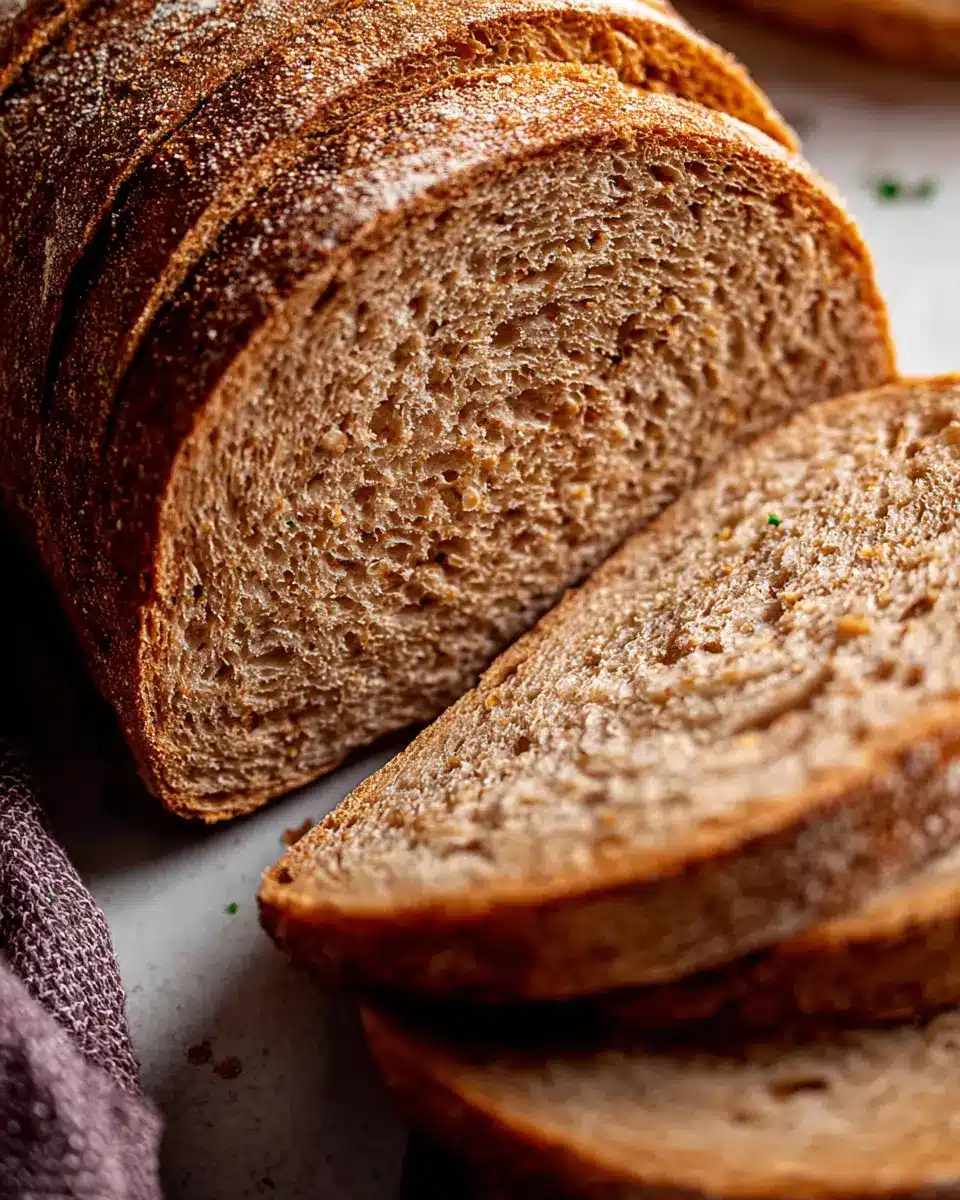
Ingredients for Whole Wheat Bread
When it comes to baking homemade whole wheat bread, choosing the right ingredients is crucial for achieving that warm, inviting loaf we all love. Let’s dive into the essentials!
Essential ingredients for the sponge
Creating a sponge is the first step toward fluffy whole wheat bread. Here’s what you’ll need:
- Water: 1 cup (240ml), warmed to about 110°F (43°C) to activate the yeast.
- Whole Milk: ⅓ cup (80ml), also warmed, lending richness to the batter.
- Yeast: 2 and ¼ teaspoons (7g) of active dry or instant yeast (equivalent to one standard packet) for that perfect rise.
- Whole Wheat Flour: 2 cups (260g), spooned & leveled to ensure the right texture.
Key ingredients for the dough
Once your sponge is bubbly and ready, you'll mix in the following key ingredients to create the dough:
- Honey: 3 tablespoons (63g) for a hint of natural sweetness.
- Unsalted Butter: 3 tablespoons (43g), softened to room temperature, for that buttery richness.
- Lemon Juice: 1 teaspoon, or apple cider vinegar, to enhance flavor and structure.
- Additional Whole Wheat Flour: 1 and ⅓ cups (173g), plus more as needed to help form the dough.
- Salt: 1 and ¼ teaspoons to balance the flavors.
Optional toppings for that extra flair
To elevate your whole wheat bread even further, consider adding some optional toppings:
- Oat Topping: A blend of 1 beaten egg white and 1 tablespoon of whole oats for a delightful crunch and a beautiful finish.
By carefully selecting these ingredients, you’re setting the stage for a whole wheat bread that’s not just nutritious, but baked with love. Happy baking!
Preparing Whole Wheat Bread
Making whole wheat bread from scratch is a rewarding experience that fills your home with a delightful aroma and offers the satisfaction of creating something delicious and wholesome. Let’s walk through the steps together!
Create the sponge
To kick off your whole wheat bread journey, start by creating a sponge. In a large mixing bowl or the bowl of your stand mixer, whisk together:
- 1 cup of warm water (about 110°F or 43°C)
- ⅓ cup of warm whole milk (also around 110°F or 43°C)
- 2 and ¼ teaspoons of active dry or instant yeast.
Next, stir in 2 cups of whole wheat flour until it becomes a thick batter. This mixture will begin fermenting, so cover it lightly and set it aside in a warm spot for about 60–90 minutes until it doubles in size. This is where the magic begins!
Mix the dough ingredients
Once your sponge has risen, it’s time to bring in the rest of the ingredients. Add the delicious elements that make this whole wheat bread special:
- 3 tablespoons of honey
- 3 tablespoons of softened unsalted butter
- 1 teaspoon of fresh lemon juice
- 1 and ⅓ cups of whole wheat flour
- 1 and ¼ teaspoons of salt
Mix this heavenly blend until it comes together and pulls away from the bowl’s sides. If it feels too sticky, sprinkle in more flour, a tablespoon at a time until it’s manageable.
Knead until perfect
Now, comes the workout! Knead your dough for 8–10 minutes—either by hand on a floured surface or in your stand mixer using a dough hook. You want a soft, slightly tacky dough that springs back when you poke it. Not sure how to knead? Check out this guide for some handy tips.
Allow for the first rise
Transfer your dough to a lightly greased bowl, turning it to coat all sides. Cover it and let it rise in a warm place for about 1.5 to 2 hours, or until doubled in size. A cozy, draft-free corner works great here!
Shape the dough
When the dough is ready, punch it down gently to release any air bubbles. On a floured surface, roll it out into an 8x15 inch rectangle and then roll it into an 8-inch log. Place this beautiful log into your greased loaf pan.
Second rise before baking
Cover your shaped loaf and let it rise again for about 45–60 minutes until it’s puffed above the pan edges. This step is critical for a good rise in your whole wheat bread.
Bake to golden perfection
Finally, it’s time to bake! Preheat your oven to 350°F (177°C) and bake your bread for 36–40 minutes, until it’s golden brown on top. You can check its doneness by tapping it lightly for a hollow sound or using an instant-read thermometer—195–200°F (90–93°C) in the center means it’s perfect!
Let your whole wheat bread cool in the pan for a few minutes before transferring it to a cooling rack. Enjoy the fruits of your labor with fresh butter or your favorite spread, and relish in your achievement! This homemade delight will be a staple you’ll want to share with friends and family.
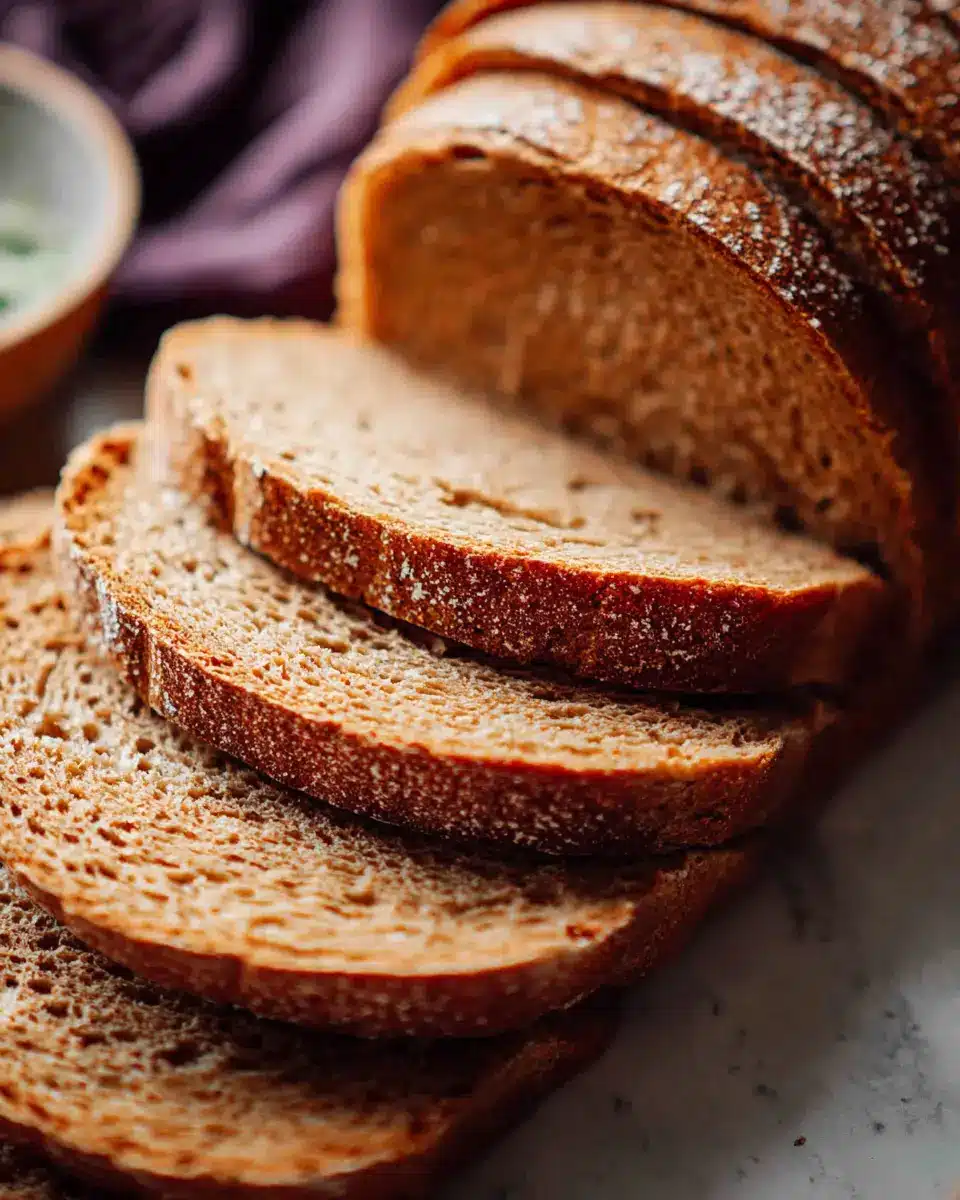
Variations on Whole Wheat Bread
Whole Wheat Bread with Seeds
If you’re looking to elevate your whole wheat bread, try adding seeds to the mix! Incorporating sunflower seeds, sesame seeds, or flaxseeds not only enhances the flavor but also boosts nutritional value. They add a delightful crunch and a nutty essence that'll leave your taste buds dancing. For a perfect bake, sprinkle seeds on top before the second rise for a beautiful finish. This variation pairs wonderfully with avocado or turkey bacon for a hearty breakfast option.
Whole Wheat Honey Oat Bread
For a subtly sweet twist, consider whole wheat honey oat bread. By mixing oats into the dough, you create a satisfying texture and rich flavor. The sweetness of honey complements the earthy undertones of whole wheat, making it a delightful choice for sandwiches or toast. Plus, using oats can make your bread even more filling and nutritious. How about enjoying it with some chia seed jam or simply smeared with butter? It’s a comforting option any time of the day!
Cooking tips and notes for Whole Wheat Bread
Common pitfalls to avoid
When making whole wheat bread, a few common mistakes can throw off your results. First, using stale flour can drastically impact flavor—always check the expiration date! Additionally, adding too much flour during kneading can lead to a dry loaf, so try to stick to the amount needed for a soft, slightly sticky dough. Finally, don’t rush the rising times; give your bread the space it needs to double in size for that perfect texture.
Storage and freezing tips
For optimal freshness, store your whole wheat bread at room temperature in a sealed bag for up to a week. If you’d like to keep it longer, freeze slices separately wrapped in plastic wrap and place in a freezer-friendly bag for up to three months. When you're ready to enjoy, simply let the bread thaw at room temperature or pop it in the toaster for a delightful crunch! For more storage ideas, you can check out resources like King Arthur Baking.
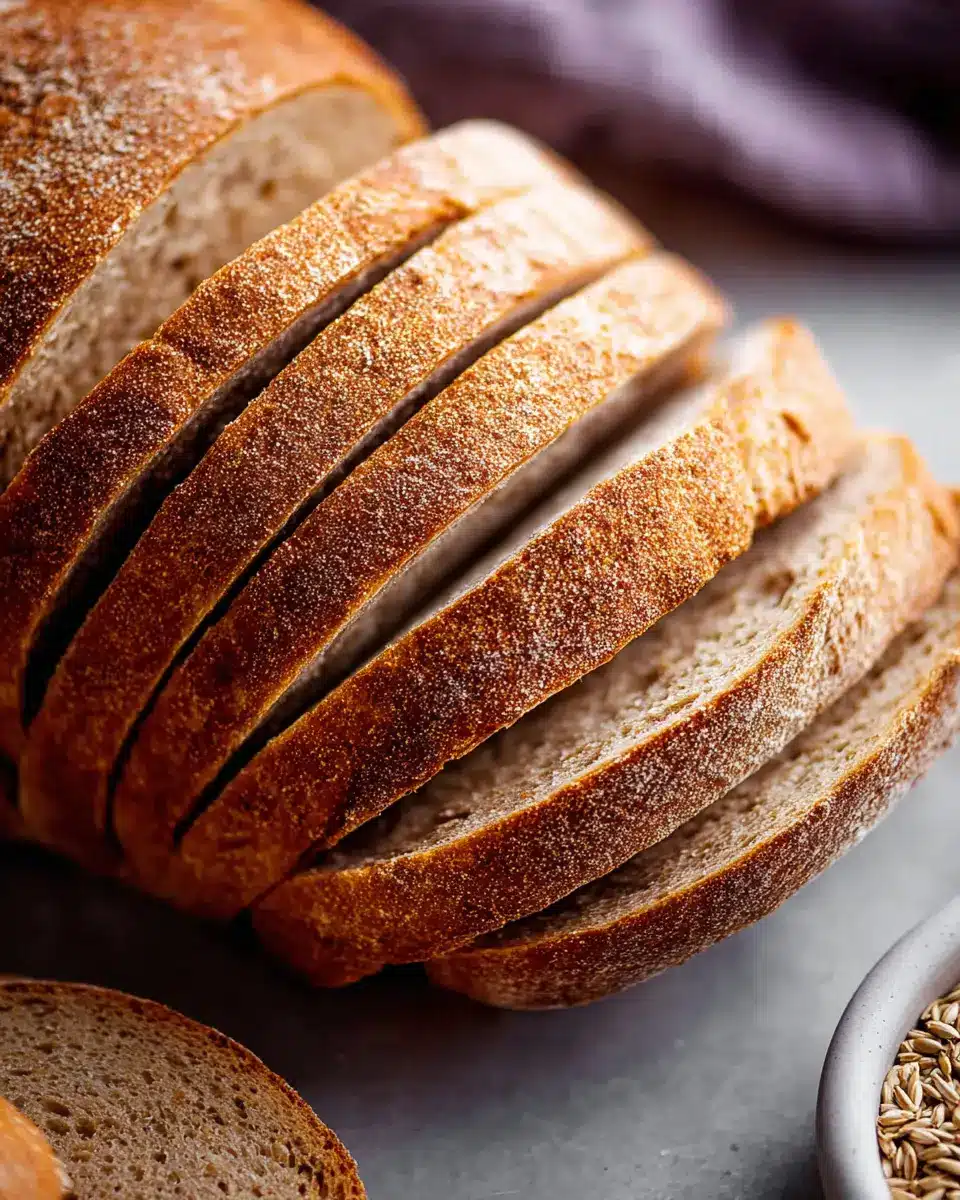
Serving Suggestions for Whole Wheat Bread
Ideal Pairings for Breakfast
Kickstart your day with whole wheat bread by toasting it to perfection and topping it with creamy avocado, a sprinkle of salt, and a dash of red pepper flakes. For a sweeter option, slather on some almond butter and drizzle with honey for a deliciously wholesome treat. Alternatively, enjoy it with Greek yogurt and fresh berries on the side for a balanced breakfast.
Creative Uses for Sandwiches
When it comes to lunch, think outside the traditional sandwich! Use your whole wheat bread to build vibrant veggie sandwiches layered with roasted peppers, spinach, and feta cheese, or try a classic turkey bacon and avocado combo for a heartier option. Consider whipping up an open-faced sandwich with tomato and fresh mozzarella, drizzled with balsamic glaze.
For more sandwich inspiration, check out the Sally’s Baking Addiction blog where you’ll find a host of ideas!
Time Breakdown for Whole Wheat Bread
When it comes to rising and baking your delicious whole wheat bread, understanding the time needed is key to your success. Here’s the breakdown:
Preparation Time
Approximately 20 minutes will get your ingredients prepped and ready. This includes mixing the sponge and gathering all your components.
Rising Time
Plan for about 2.5 to 3 hours of rising time in total. The first rise takes about 1.5 to 2 hours, followed by roughly 45 to 60 minutes for the second rise.
Baking Time
The actual baking takes about 36 to 40 minutes. Watch your bread closely to ensure it’s golden brown and sounds hollow when tapped.
Total Time
Overall, you’ll need about 5 to 6 hours from start to finish. Most of that is hands-free rising, meaning you can enjoy your day while the dough works its magic!
By following this time breakdown, you'll be more prepared for successfully making your whole wheat bread. For more tips on bread baking, check out this resource on yeast for additional insights!
Nutritional Facts for Whole Wheat Bread
Calories per slice
Whole wheat bread typically contains about 80 calories per slice. The caloric content can vary slightly depending on specific recipes or added ingredients, but it's a wholesome choice for a nutritious meal.
Fiber content
A slice of whole wheat bread provides approximately 2 grams of dietary fiber. This is crucial for digestive health and can help keep you feeling full longer. Incorporating fiber-rich foods is essential for a balanced diet and has numerous health benefits.
Protein breakdown
You'll find about 3 grams of protein per slice of whole wheat bread. This protein comes from the whole wheat flour, contributing to your daily intake. Protein is vital for muscle repair and overall bodily functions, making whole wheat bread a fantastic addition to your meals.
If you’re curious about the many ways to incorporate whole wheat bread into your diet, check out articles from the Whole Grains Council or Harvard Health. These resources offer excellent insights into the benefits of whole grains and simple tips for healthier eating.
FAQs about Whole Wheat Bread
How do I know if my bread is done?
A great way to check if your whole wheat bread is done is by performing a quick tapping test. Gently tap the top of the loaf; if it sounds hollow, it’s likely ready! For a more accurate method, use an instant-read thermometer — the internal temperature should be between 195°F and 200°F (90°C to 93°C).
Can I use all-purpose flour instead?
Absolutely! If you're looking to experiment, you can substitute up to 1 cup of all-purpose flour in your whole wheat bread recipe. This tiny tweak might give your loaf a slightly taller and fluffier texture, making it a delightful twist on your original recipe.
Tips for making whole wheat bread fluffy
To achieve those fluffy results, consider adding gluten flour or vital wheat gluten—just a tablespoon or two can enhance the texture. Make sure to knead the dough well; this develops those lovely gluten strands! Also, don't hesitate to let your dough rise for a bit longer; warmth and time do wonders for bread making. For more expert advice, check out resources like King Arthur Baking.
Conclusion on Whole Wheat Bread
Recap of the Benefits of Homemade Whole Wheat Bread
Homemade whole wheat bread is not only a delicious and wholesome option but also an excellent way to nourish your body with fiber and essential nutrients. By preparing it yourself, you control the ingredients, ensuring a fresher, healthier loaf that can be customized to your taste. Remember, a few simple ingredients and a little time yield extraordinary results! So why not give it a try? Your taste buds—and your health—will thank you.
For more insights on healthy eating, check out The Whole Grains Council for all things whole grains!

Whole Wheat Bread
Equipment
- stand mixer
- 9×5-inch loaf pan
- Rolling Pin
- pastry brush
- Instant-Read Thermometer
- wire cooling rack
Ingredients
Sponge
- 1 cup water warmed to about 110°F (43°C)
- ⅓ cup whole milk warmed to about 110°F (43°C)
- 2 and ¼ teaspoons active dry or instant yeast (1 standard packet)
- 2 cups whole wheat flour spooned & leveled
Dough
- 3 Tablespoons honey
- 3 Tablespoons unsalted butter softened to room temperature
- 1 teaspoon fresh lemon juice or apple cider vinegar
- 1 and ⅓ cups whole wheat flour spooned & leveled, plus more as needed
- 1 and ¼ teaspoons salt
- 1 whole egg white beaten, optional oat topping
- 1 Tablespoon whole oats optional oat topping
Instructions
Preparation
- Prepare the sponge: In a large bowl or the bowl of your stand mixer, whisk the water, whole milk, and yeast together. Add the 2 cups (260g) flour and stir with a spatula or wooden spoon until a thick batter forms. Cover lightly and allow to double in size at room temperature, about 60–90 minutes.
- Add the remaining dough ingredients including the honey, butter, lemon juice, remaining flour, and the salt. Beat on medium speed or mix until the dough comes together and pulls away from the sides of the bowl, about 3 minutes.
- Knead the dough: Keep the dough in the mixer and beat for an additional 8–10 full minutes, or knead by hand on a lightly floured surface for 8–10 full minutes.
- 1st rise: Lightly grease a large bowl with oil or nonstick spray. Place the dough in the bowl, turning it to coat all sides in the oil. Cover the bowl and allow the dough to rise for 1.5–2 hours or until about double in size.
- Grease a 9×5-inch loaf pan.
- Shape the dough: When the dough is ready, punch it down to release the air. Lightly flour a work surface, your hands, and a rolling pin. Roll the dough out into a large rectangle, about 8×15 inches. Roll it up into an 8-inch log and place in the prepared loaf pan.
- 2nd rise: Cover shaped loaf. Allow to rise until it’s about 1 inch above the top of the loaf pan, about 45–60 minutes.
- Adjust oven rack to a lower position and preheat oven to 350°F (177°C). Bake the bread towards the bottom of the oven.
- Optional oat topping: Brush the risen loaf with egg white, then sprinkle the oats on top.
- Bake the bread: Bake for 36–40 minutes, or until golden brown on top. To test for doneness, the bread is done when an instant-read thermometer reads the center of the loaf as 195–200°F (90–93°C).
- Cover leftover bread tightly and store at room temperature for up to 1 week.




Leave a Reply